
Ask One Question For Free
Welcome to Hindu Cultural Center
Personalised Kundli Based Report Prepared Under The Guidance Of Our Expert Astrologers



 Service
Nepali wedding program Template or schedule and Indian wedding program Template or schedule Agenda are looks like same. There is some little difference also area wise. Pre-Wedding ( पूर्वांग) (Days Before) 1.Ganesh Puja/Mandap Muhurat: Prayers to Lord Ganesha for obstacle removal. 2.Nandi Mukhi Sharddha aavyudayek for Ancestors remembering 3. Matrika Pooja ( this spiritual program get blessings from Shodashi matrika and saptadhrita matrika and Ishta Devata Pooja. 3.1 Haldi/ Pithi : Applying turmeric paste for purification and glow. 3.1 Mehendi & Sangeet: Henna application and musical/dance celebrations. 3.2 Sangeet/Musical Night: A festive evening of singing, dancing, and performances by family/friends. 3.3 Nimta patra ( Invitation letter) sending for groom with saipata(fruits and sweets). 4.Grah Shanti: Before wedding in Home rituals for peace and well-being etc. ( both side groom and bride) Wedding Day Agenda (Example Timeline) Prepare for Decoration 1/2 hours Bride & Groom preparations, First Look decorations and priest preparation time 1/2 hrs Preparing by priest : Mandop decoration ( Rekhi etc), At 9 AM • Pooja starts (First, bride will perform pooja followed by the groom) 9-9:30 AM • Deep-Ganesh Pooja: 9:40-9:50 o Worshipping Lord Ganesh. The wedding ceremony begins by offering a prayer to Lord Ganesh. Lord Ganesh is worshipped so he may remove all obstacles and bless the couple. • Swayamber: 10: AM Bar Aagman ( Groom arrival) Lively parade with Chanting ,music, dancing. Kanya Aagman (Bride's Arrival): Bride escorted to the mandap, often behind a curtain (antarpat). Lively parade with Chanting ,music, dancing. o Exchanging of garlands. Couple exchange fresh flower garlands,signifying the Process : first Ganesh Pooja Indrani pooja then welcome to the groom to the stage and 3 around with water and silver karuwa. acceptance of one another and to pledge the respect for one another as partners in life. Hasta Melap: Joining of hands. (Chhapa Lagaune), patalanchhan. For memories of wedding. Welcome ceremony. Swagatam (Welcome): Bride's family welcomes groom's family. Bride's family welcomes the groom with flowers, tilak, Dakshina and sweets Etc. 9:30 AM (Janti parchhane) Groom come with pancha kanya, Panche baja, lagan patrika( schedule) and all friends and families together come inside Bride side put teeka and give Dakshina for pancha kanya( all sai pata group). Var pujan and Baran bidhi : 10: 30 AM • Tika Talo and Madhuparka : o Offering Tika with blessings and feed Madhuparka (a mixture of yogurt, ghee, and honey) to the groom who accepts it with a prayer and her may imbibe its purity and sweetness. Lagan Gantho ( geanthibandhanam ) -battle nut with janai and money with white clothes make stronger nut. . Kanya Dan Bidhi : 11 AM Kanyadaan: Bride's parents give her away with Sankalpa (with long life commitment) Godan, Dakshina etc. clothes and jewelry exchange etc. Lunch break for the guest. Break fast for groom- bride and priest and family for tea or coffee time. 20 minutes- 35 minutes • Photo: o Photos will be taken before starting the 2nd part and after the ritual process. 2nd part: Ceremony Under the Mandap (Approx. 2-3 Hours). • Brahman Baran for the wedding ( Hiring process) Invoking Lord Ganesha Deep and kalash Pooja. . Pooja and Hawan: 12:30 PM o Throughout the ceremony, oblations are made to God to invoke his blessings in the form of a Havan(ceremonial fire), Samagree (crushed sandalwood, herbs, sugar and rice) Ghee(clarified butter), Camphor, and Samidha (twigs) are offered into the Agnikunda(fire pit). • Paraspar samikshanam - Means - The bride and groom see each other and the groom promises that he would hold her and lead her safely in their married life. Vivaah Homa & Mangal Phera: Fire rituals, circling the sacred fire. Homam - Aajya Havan, RashtrabhridHom, Jaya Hom, Abhyatan hom, Guptahuti. All for blessing and strong live for both families and groom-bride. Laja Hawan : Offerings Laja Bride’s brother to give to bride and holding laja and give away to the fire for blessings. Ashirvad: Blessings from elders and all together. PaniGrahanam- The bride and groom hold each other’s hand and the groom promises that he would hold her hand and lead her safely in their married life Sila Pooja - pray to the stone symbol meaning which is belongs to both life like a stone. Parikrama: 7 fera. Bride circumambulates the groom (or vice versa) three times with mantras. • Ashta pravat Pooja: 1:30 o Performing worship of eight Himalayas for their strong life together. • : Saptarishi Pooja o The bride and groom take seven steps together representing the vows and promises. Blessings from saptarishi. Saptapadi (Seven Steps/Vows): Couple takes seven steps together around the holy fire (Agni), making seven promises, they are making to each other. • Suryodikshanam: o Seeing the sun together and premise sun like us. • Hridayalambhanam: o Promise to be together and supporting each other altruistically. • Sindurarparnam: o Groom places sindoor(red powder), the traditional mark of married woman in bride’s forehead. Sindoor & Tika: Groom applies vermillion powder (sindoor) to bride's hair parting and forehead (tika). Mangalsutra & sindur pote etc : Groom ties the sacred thread and applies vermillion. Bama bhage Badhu sthapanam - ( Thau sarne) - Aashirwad (Blessings): Elders bless the couple with rice, flowers, and blessings. Fun part. Bride and groom play some games to get to know each other. Madhu parka prashan and pasa play and lava bhutne Swistakridhom, purna patra, purnahuti, tilak, Dakshina sankalpa etc. • Grahatilakadi: blessings from the God with pray. Avishek Tilkapati - o3:30 pm • Photos: • Conclusion of the wedding Chaturthi Pooja after 1 day. Post-Ceremony: Lunch/Dinner: Feast for guests. Break time and after ceremony. Family Formals: Photos at the mandap. Vidaai: Bride's emotional farewell to her family. (Bride's Farewell): Emotional departure from her family home. Evening: Reception: Celebration with first dance, toasts, performances. Hindu weddings are rich in symbolism, with each ritual marking a step in the couple's journey, from their spiritual beginning to their lifelong commitment, celebrated with vibrant community participation. After Wedding Day: Evening/Post-Ceremony Badhu Griha Pravesh (Groom's Home Entry process ): Bride enters groom's home, often with small rituals like kicking a pot of rice. Wedding Reception/Feast: Grand dinner, dancing, and celebration with guests. Post-Wedding Pajama/Post-Wedding Rituals: Family gatherings and blessings, often involving feasts. Chaturthi Pooja and Mookh herne program family introduction. Wedding Reception Party - after day or after 1 /2 week depending on weather and work schedule.
Nepali wedding program Template or schedule and Indian wedding program Template or schedule Agenda are looks like same. There is some little difference also area wise. Pre-Wedding ( पूर्वांग) (Days Before) 1.Ganesh Puja/Mandap Muhurat: Prayers to Lord Ganesha for obstacle removal. 2.Nandi Mukhi Sharddha aavyudayek for Ancestors remembering 3. Matrika Pooja ( this spiritual program get blessings from Shodashi matrika and saptadhrita matrika and Ishta Devata Pooja. 3.1 Haldi/ Pithi : Applying turmeric paste for purification and glow. 3.1 Mehendi & Sangeet: Henna application and musical/dance celebrations. 3.2 Sangeet/Musical Night: A festive evening of singing, dancing, and performances by family/friends. 3.3 Nimta patra ( Invitation letter) sending for groom with saipata(fruits and sweets). 4.Grah Shanti: Before wedding in Home rituals for peace and well-being etc. ( both side groom and bride) Wedding Day Agenda (Example Timeline) Prepare for Decoration 1/2 hours Bride & Groom preparations, First Look decorations and priest preparation time 1/2 hrs Preparing by priest : Mandop decoration ( Rekhi etc), At 9 AM • Pooja starts (First, bride will perform pooja followed by the groom) 9-9:30 AM • Deep-Ganesh Pooja: 9:40-9:50 o Worshipping Lord Ganesh. The wedding ceremony begins by offering a prayer to Lord Ganesh. Lord Ganesh is worshipped so he may remove all obstacles and bless the couple. • Swayamber: 10: AM Bar Aagman ( Groom arrival) Lively parade with Chanting ,music, dancing. Kanya Aagman (Bride's Arrival): Bride escorted to the mandap, often behind a curtain (antarpat). Lively parade with Chanting ,music, dancing. o Exchanging of garlands. Couple exchange fresh flower garlands,signifying the Process : first Ganesh Pooja Indrani pooja then welcome to the groom to the stage and 3 around with water and silver karuwa. acceptance of one another and to pledge the respect for one another as partners in life. Hasta Melap: Joining of hands. (Chhapa Lagaune), patalanchhan. For memories of wedding. Welcome ceremony. Swagatam (Welcome): Bride's family welcomes groom's family. Bride's family welcomes the groom with flowers, tilak, Dakshina and sweets Etc. 9:30 AM (Janti parchhane) Groom come with pancha kanya, Panche baja, lagan patrika( schedule) and all friends and families together come inside Bride side put teeka and give Dakshina for pancha kanya( all sai pata group). Var pujan and Baran bidhi : 10: 30 AM • Tika Talo and Madhuparka : o Offering Tika with blessings and feed Madhuparka (a mixture of yogurt, ghee, and honey) to the groom who accepts it with a prayer and her may imbibe its purity and sweetness. Lagan Gantho ( geanthibandhanam ) -battle nut with janai and money with white clothes make stronger nut. . Kanya Dan Bidhi : 11 AM Kanyadaan: Bride's parents give her away with Sankalpa (with long life commitment) Godan, Dakshina etc. clothes and jewelry exchange etc. Lunch break for the guest. Break fast for groom- bride and priest and family for tea or coffee time. 20 minutes- 35 minutes • Photo: o Photos will be taken before starting the 2nd part and after the ritual process. 2nd part: Ceremony Under the Mandap (Approx. 2-3 Hours). • Brahman Baran for the wedding ( Hiring process) Invoking Lord Ganesha Deep and kalash Pooja. . Pooja and Hawan: 12:30 PM o Throughout the ceremony, oblations are made to God to invoke his blessings in the form of a Havan(ceremonial fire), Samagree (crushed sandalwood, herbs, sugar and rice) Ghee(clarified butter), Camphor, and Samidha (twigs) are offered into the Agnikunda(fire pit). • Paraspar samikshanam - Means - The bride and groom see each other and the groom promises that he would hold her and lead her safely in their married life. Vivaah Homa & Mangal Phera: Fire rituals, circling the sacred fire. Homam - Aajya Havan, RashtrabhridHom, Jaya Hom, Abhyatan hom, Guptahuti. All for blessing and strong live for both families and groom-bride. Laja Hawan : Offerings Laja Bride’s brother to give to bride and holding laja and give away to the fire for blessings. Ashirvad: Blessings from elders and all together. PaniGrahanam- The bride and groom hold each other’s hand and the groom promises that he would hold her hand and lead her safely in their married life Sila Pooja - pray to the stone symbol meaning which is belongs to both life like a stone. Parikrama: 7 fera. Bride circumambulates the groom (or vice versa) three times with mantras. • Ashta pravat Pooja: 1:30 o Performing worship of eight Himalayas for their strong life together. • : Saptarishi Pooja o The bride and groom take seven steps together representing the vows and promises. Blessings from saptarishi. Saptapadi (Seven Steps/Vows): Couple takes seven steps together around the holy fire (Agni), making seven promises, they are making to each other. • Suryodikshanam: o Seeing the sun together and premise sun like us. • Hridayalambhanam: o Promise to be together and supporting each other altruistically. • Sindurarparnam: o Groom places sindoor(red powder), the traditional mark of married woman in bride’s forehead. Sindoor & Tika: Groom applies vermillion powder (sindoor) to bride's hair parting and forehead (tika). Mangalsutra & sindur pote etc : Groom ties the sacred thread and applies vermillion. Bama bhage Badhu sthapanam - ( Thau sarne) - Aashirwad (Blessings): Elders bless the couple with rice, flowers, and blessings. Fun part. Bride and groom play some games to get to know each other. Madhu parka prashan and pasa play and lava bhutne Swistakridhom, purna patra, purnahuti, tilak, Dakshina sankalpa etc. • Grahatilakadi: blessings from the God with pray. Avishek Tilkapati - o3:30 pm • Photos: • Conclusion of the wedding Chaturthi Pooja after 1 day. Post-Ceremony: Lunch/Dinner: Feast for guests. Break time and after ceremony. Family Formals: Photos at the mandap. Vidaai: Bride's emotional farewell to her family. (Bride's Farewell): Emotional departure from her family home. Evening: Reception: Celebration with first dance, toasts, performances. Hindu weddings are rich in symbolism, with each ritual marking a step in the couple's journey, from their spiritual beginning to their lifelong commitment, celebrated with vibrant community participation. After Wedding Day: Evening/Post-Ceremony Badhu Griha Pravesh (Groom's Home Entry process ): Bride enters groom's home, often with small rituals like kicking a pot of rice. Wedding Reception/Feast: Grand dinner, dancing, and celebration with guests. Post-Wedding Pajama/Post-Wedding Rituals: Family gatherings and blessings, often involving feasts. Chaturthi Pooja and Mookh herne program family introduction. Wedding Reception Party - after day or after 1 /2 week depending on weather and work schedule.
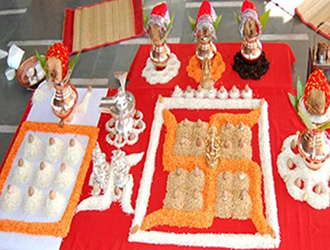
Religious worship - Satyanarayan pooja, Rudri Pooja, Vastu Pooja, Griha Pravesh pooja, Grahashanti Pooja etc. Cultural Worship -Bratabandha(Chuda=Mundan - Upanayan-Vedarambha and Samabartan) , Bibaha -wedding - sadhi, Gunyu Choli = Bashravaran, Namekaran, Pashni=Annaprashan, Janmotsav=Birthday, Antyesti= funeral ceremony, Sharddha, Anniversary, Business Starting etc.
Religious worship - Satyanarayan pooja, Rudri Pooja, Vastu Pooja, Griha Pravesh pooja, Grahashanti Pooja etc. Cultural Worship -Bratabandha(Chuda=Mundan - Upanayan-Vedarambha and Samabartan) , Bibaha -wedding - sadhi, Gunyu Choli = Bashravaran, Namekaran, Pashni=Annaprashan, Janmotsav=Birthday, Antyesti= funeral ceremony, Sharddha, Anniversary, Business Starting etc.

Manglik Dosh refers to the presence of Mars in certain positions in the horoscope.


Here is an outline of the key sections typically included in a Business Report.


A Career Report is a document that provides a detailed analysis of a person's.


A Health Report is a formal document that provides a comprehensive analysis.


Vastu Consultation refers to the process of analyzing and improving the energy.


This analysis is based on the position of planets, stars, and other celestial.


These doshas are because of the mixes of planets in the diagram at the hour of birth.

 Astrologers
A Panchang is a Hindu schedule that gives fundamental data about the date, time, and celestial parts of everyday.
Get it Now
Understanding your Nakshatra helps in gaining insights into your personality, life path, and potential future events.
Get it Now
The primary aim is to ensure a harmonious relationship that might cause issues in the future.
Get it Now
There are 12 zodiac signs, each corresponding to a segment of the 360-degree celestial circle.
Get it Now
Hindu Cultural Center


 Testimonials
posuere luctus orci. Donec vitae mattis quam, vitae tempor arcu. Aenean non odio porttitor, convallis erat sit amet.

posuere luctus orci. Donec vitae mattis quam, vitae tempor arcu. Aenean non odio porttitor, convallis erat sit amet.

posuere luctus orci. Donec vitae mattis quam, vitae tempor arcu. Aenean non odio porttitor, convallis erat sit amet.

posuere luctus orci. Donec vitae mattis quam, vitae tempor arcu. Aenean non odio porttitor, convallis erat sit amet.
